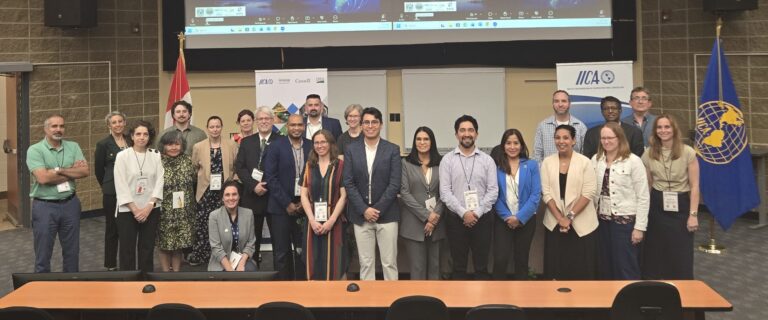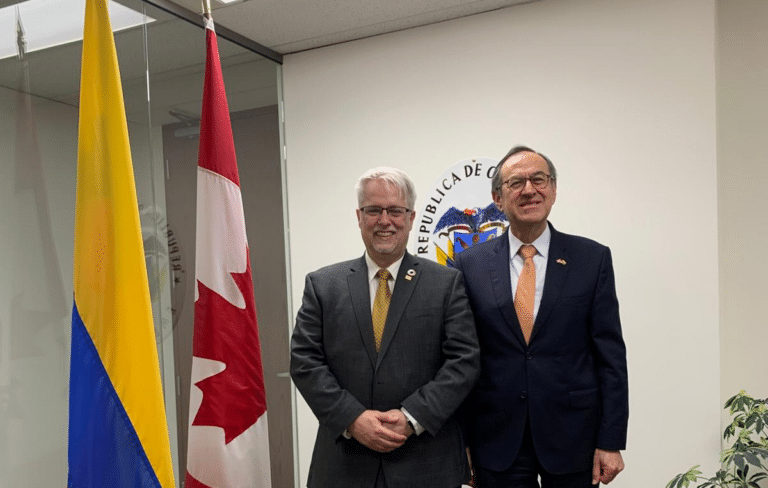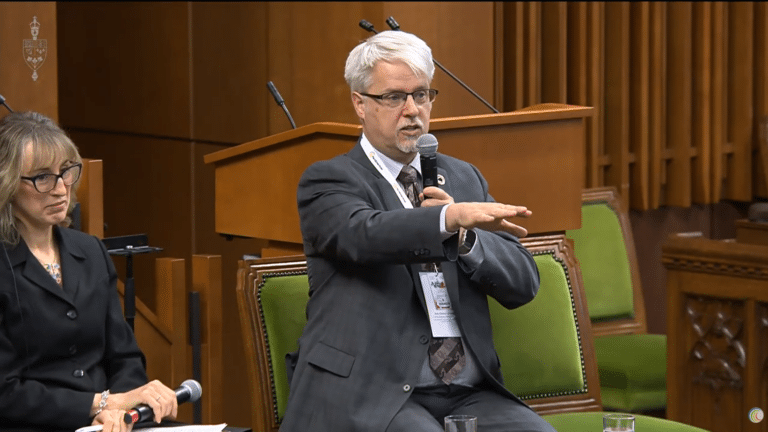
IICA Canada participated in the North American Workshop on Food Waste Reduction and Recovery held in Toronto, Ontario on Feb. 28th and March 1.
The workshop provided a forum for government, industry, business and other experts from Canada, Mexico and the United States, to share and discuss opportunities to reduce food loss and waste across the food supply chain, with an emphasis on post-harvest food production, processing and manufacturing, distribution, retail, and foodservice.
The forum was organized by the Commission for Environmental Cooperation (CEC), a group that oversees the implementation of the North American Agreement on Environmental Cooperation (NAAEC) and serves as a forum for the discussion of environmental matters within the scope of the Agreement. Research findings of a draft CEC foundational report and white paper, entitled Characterization and Management of Food Waste in North America, was presented at the workshop to solicit input from North American experts and stakeholders. North America stands out from other developed regions with some of the most food wasted per capita.
The workshop provided an opportunity to understand the challenges and approaches applied to waste reduction and recovery from North America’s three countries, as well as the issues surrounding the efforts to measure and report on food waste and loss (FWL). The event provided ample opportunity to interact with experts and stakeholders involved in this initiative, including those from both environmental and agricultural government agencies and non-profit and industry sectors.
It is clear that there is much work to be undertaken to address FWL. Particularly, there’s a need for efforts to harmonize and/or rationalize policies and regulations on FLW. Significant efforts are needed to engage the various and diverse sectors and facilitate collaboration so that they can achieve the goals set out in the Sustainable Development Goals.
Addressing food waste and loss (FWL) is aligned with IICA’s purpose is to encourage and support the efforts of its Member States to achieve agricultural development and well-being for rural populations, including efforts to eliminate FWL. The delegation in Canada is interested in proposing a project with partners to address an aspect of this complex and challenging issue.